
Across the United States, there is a growing national gap in youth sports. As autism diagnoses have steadily increased over the past decade, the number of sports programs designed to support kids on the autism spectrum has not kept pace.
Not even close.
Research confirms what families already know. Sports help kids grow, build confidence, and feel belonging. But for many families with kids on the autism spectrum, accessing those benefits is where the system breaks down.
When Sports Aren’t Built to Fit
Families learn to read the signs when a program won’t work. Some are told directly that a program isn’t a good fit. Others never get that far. They self-select out because they’ve learned, often through hard experience, what happens when the right support isn’t there.
As one parent of Eli, a 12-year-old ACEing athlete, shared, “The biggest challenge in finding good programs for Eli have been finding programs that meet him where he is (and seeing where he can go!). Programs often seem to require a certain level of skill or knowledge or will be too concerned about accommodating a particular need to even enroll.”
The Real Barriers Families Face
For kids who are nonverbal, use communication devices, or need consistent one-to-one support, the barriers are even higher. Most youth sports programs simply aren’t trained or structured for this level of inclusion, even when intentions are good.
This is the national gap. Not a lack of interest. Not a lack of kids who want to play. A lack of programs designed to meet them where they are.
Built to Meet Kids Where They Are
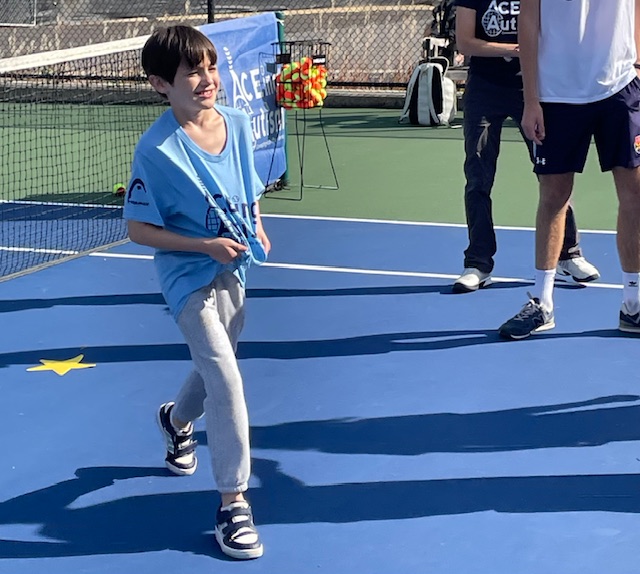
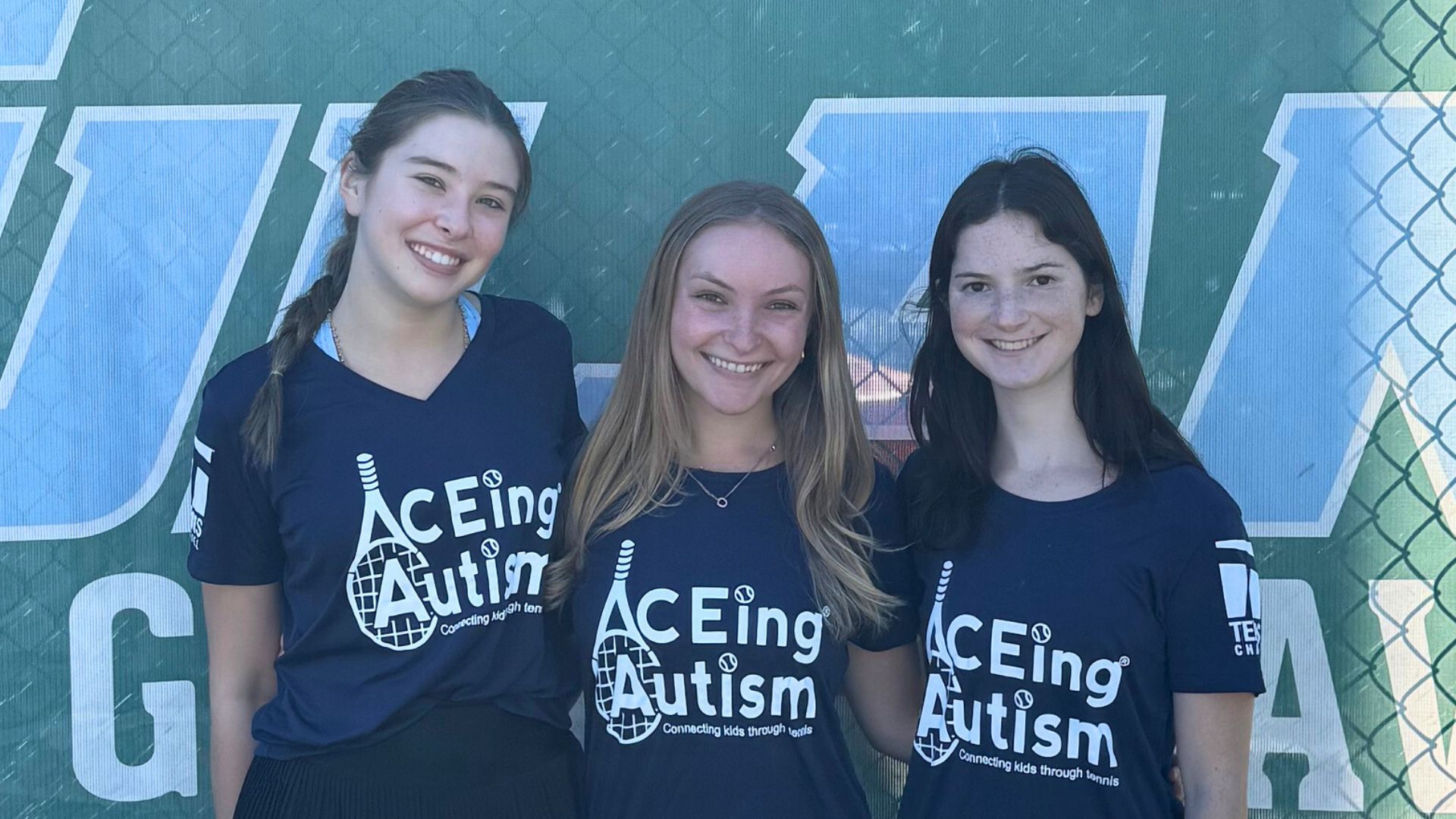
This is why ACEing Autism exists. It was built specifically to fill this gap. Its programs are designed around one-to-one support, volunteer training, and a curriculum created with kids on the autism spectrum in mind. The focus is on encouragement, comfort, and connection, not competition. That design choice is what makes participation possible for kids who are too often left out elsewhere.
Parents feel the difference immediately. Kate, mom to ACEing athlete Jack, shared, “I can still remember the first day we started the program and the joy and relief I felt realizing we had found a space where Jack could truly be himself and learn something new. It’s been such a gift to find an organized physical activity where he can enjoy himself, feel confident, and be completely free to be who he is.”
Closing the Gap
Closing this gap requires more than awareness. It requires action. It means creating and supporting programs that are intentionally designed for kids on the autism spectrum, not asking families to make do with systems that weren’t built for them.