
We’ve known for a long time that movement matters. Bodies need to move. Brains work better when we stay active. Exercise strengthens the heart, sharpens focus, supports emotional regulation, and improves overall health. Just like drinking water, getting sleep, and breathing air, movement is a basic human need.
The real question isn’t whether autistic kids need exercise. The question is why so many never get the chance.
The answer is simple. It’s not autism. It’s access.
The Barrier Isn’t Ability. It’s Opportunity
Most kids grow up with many ways to be active. Sports teams, PE classes, local leagues, and free play fill their days. For many kids on the autism spectrum, those same options create barriers instead of opportunities. Programs often fail to include them. Teaching methods miss how they learn best. Spaces feel confusing or overwhelming instead of safe and welcoming.
And sometimes, there simply aren’t enough resources or individualized support available to make participation possible.
Too often, kids and families are left without options that fit. The result is that many kids on the autism spectrum miss out on regular opportunities to move.
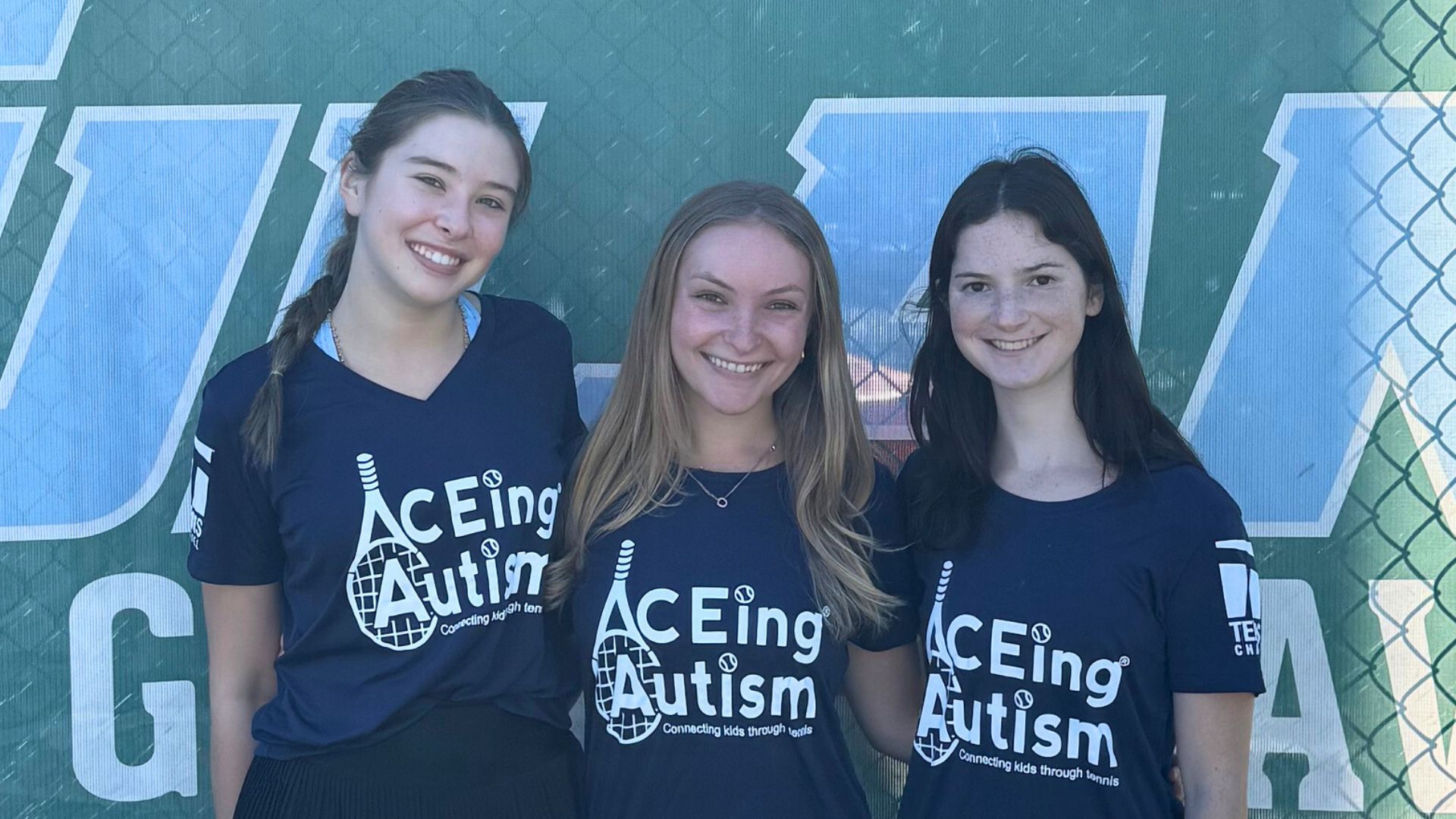
At ACEing Autism, our work begins with a simple belief: movement should be available to every child. We use tennis as a tool to deliver what really matters: physical activity, skill-building, and confidence.
How Adaptive Programs Make Movement Possible
The approach for ACEing Autism programs is to apply the wonderful attributes of tennis, provide individualized support, and adapt as needed for each athlete individually. That way, the sport can be enjoyed by everyone.
Coaches break skills into small steps, visual cues show what comes next, and flexible pacing lets athletes learn without pressure. Just as important, each athlete is paired one to one with a volunteer, creating a level of individualized support that’s rare in youth sports.
Volunteers meet each athlete where they are. For some, that’s learning a new motion. For others, it’s mastering a familiar one.
Tennis may not even be a favorite sport for many athletes. What matters most to families is the opportunity for their child to move, try something new, and feel supported. When kids have access to adaptive programs built for how they learn, they lean in. Movement becomes fun. Confidence grows. And those changes don’t stay on the court. They show up at home, at school, and in how kids see themselves.
Making Inclusion the Standard, Not the Exception
If we believe movement matters for every body and every brain, then we need to act on that belief. Communities can make this possible. We need more adaptive programs so inclusive movement becomes the standard, not the exception.
Register for an existing program, volunteer with a program near you, or help bring ACEing Autism to your community or school. Every child deserves the chance to play.
Help open more courts for kids who are waiting.